
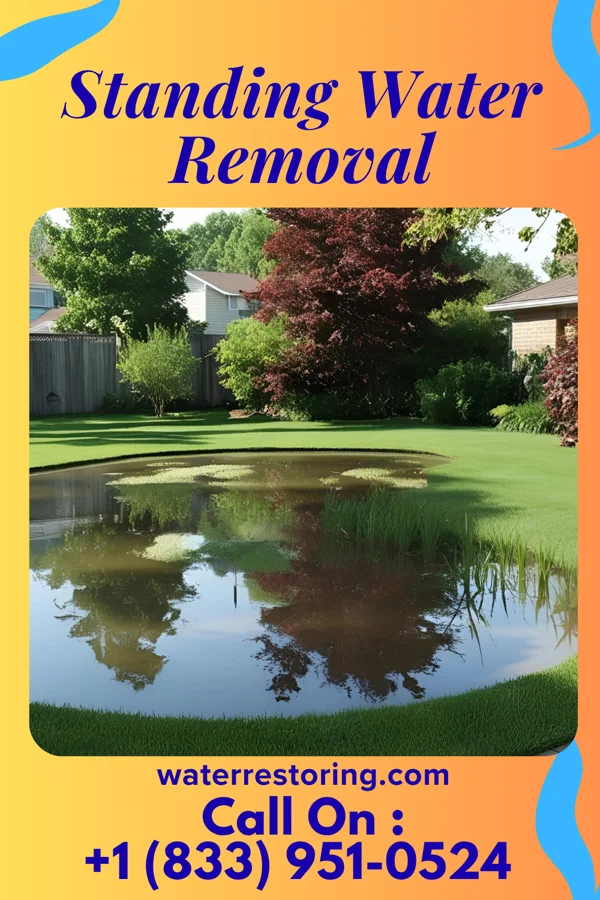
Why Knik-Fairview Standing Water Demands Fast Removal
Most water damage emergencies in Knik-Fairview start with In Knik-Fairview, Alaska, water damage is often caused by sudden flooding from nearby rivers or thawing permafrost, especially during spring melt. Heavy rainfall and snowmelt can lead to rapid water accumulation in low-lying areas, causing basement and foundation flooding.. A close second is Secondary causes include plumbing leaks from aging infrastructure, burst pipes during freezing temperatures, and water intrusion from poorly sealed crawl spaces. Additionally, wildlife activity, such as raccoons or rodents, can lead to water damage by damaging insulation or pipes.. From the second water touches the property, every minute changes what gets saved and what gets ripped out.
Knik-Fairview experiences a subarctic climate with long, cold winters and short, wet summers. This climate increases the risk of water damage from both freezing and thawing cycles, as well as heavy precipitation events that can overwhelm drainage systems.
Most standing water removal calls in Knik-Fairview come from In Knik-Fairview, Alaska, water damage is often caused by sudden flooding from nearby rivers or thawing permafrost, especially during spring melt. Heavy rainfall and snowmelt can lead to rapid water accumulation in low-lying areas, causing basement and foundation flooding.. Running a close second is Secondary causes include plumbing leaks from aging infrastructure, burst pipes during freezing temperatures, and water intrusion from poorly sealed crawl spaces. Additionally, wildlife activity, such as raccoons or rodents, can lead to water damage by damaging insulation or pipes.. Local mold risk: Mold can develop quickly in the damp, cool environments common in Knik-Fairview, especially in basements and crawl spaces. Prompt water damage response is crucial to prevent mold growth and protect indoor air quality.
For public guidance on the health effects of mold after prolonged water exposure, see the EPA mold and health page.